




Designed differently

Economy should feel like travel again.

Vandrer is exploring a cabin designed around the people who spend hours inside it: space, light, storage, seating, atmosphere and the way service happens — not how many seats can fit.

Lights
4
Details explored
9
Status
Being explored

One cabin, four lights Prelaunch · Oslo · No flights on sale

Illustrative imagery. Not a photograph of a Vandrer flight.

One cabin, four lights

The same cabin, lit for the moment you are in

The same cabin in four lights: bright while people find their places, open and clear at cruise, low and calm while they rest, warm as the destination comes up. Four moments, in the order they happen.

01 · Boarding

Bright, clean, welcoming

Nordic daylight fills the cabin while people find their places. Clean materials, room to put things down, nothing to squeeze past.

Concept visualisation

02 · Cruise

Open, neutral, clear

Natural daylight, evenly spread. The space reads as one calm room: you can see where you are, where the crew are and where your things are.

Concept visualisation

03 · Rest

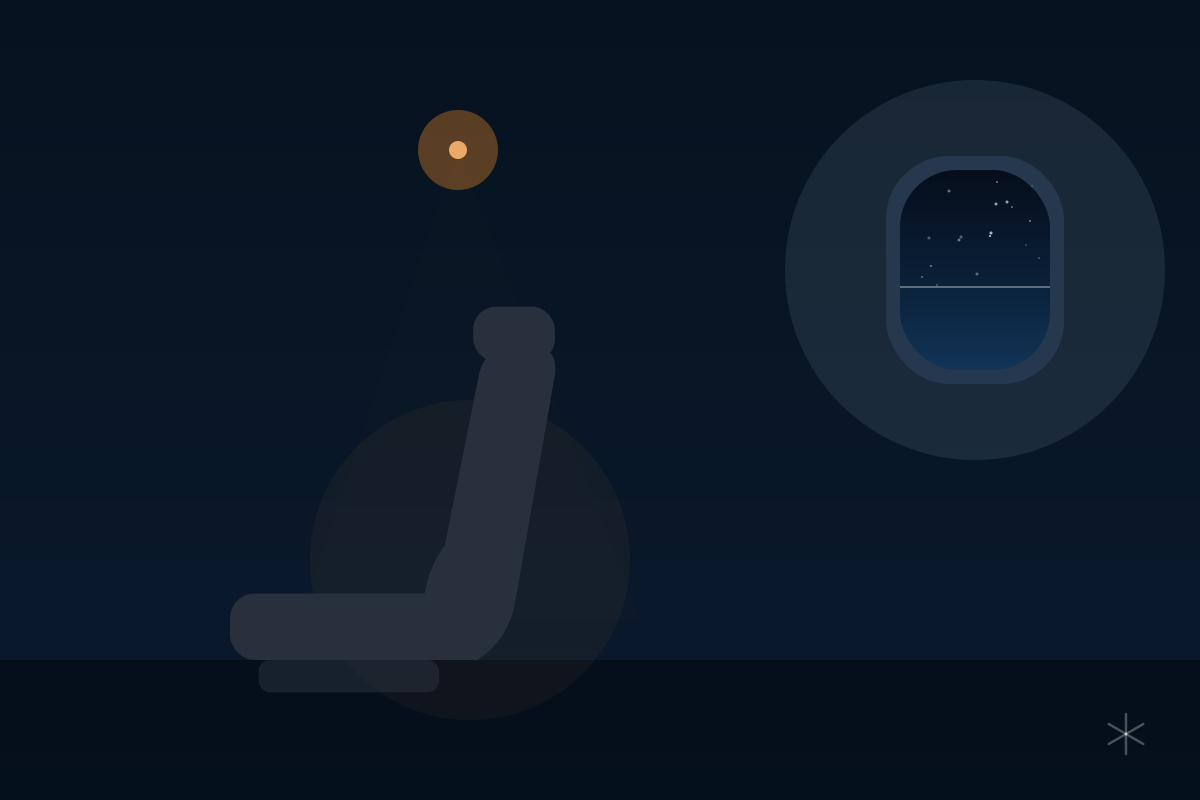
Deep blue, low glare, your own pool of light

The cabin goes dark and still. Whoever wants to read has a small warm light of their own; whoever wants to sleep has the night.

Concept visualisation

04 · Approach

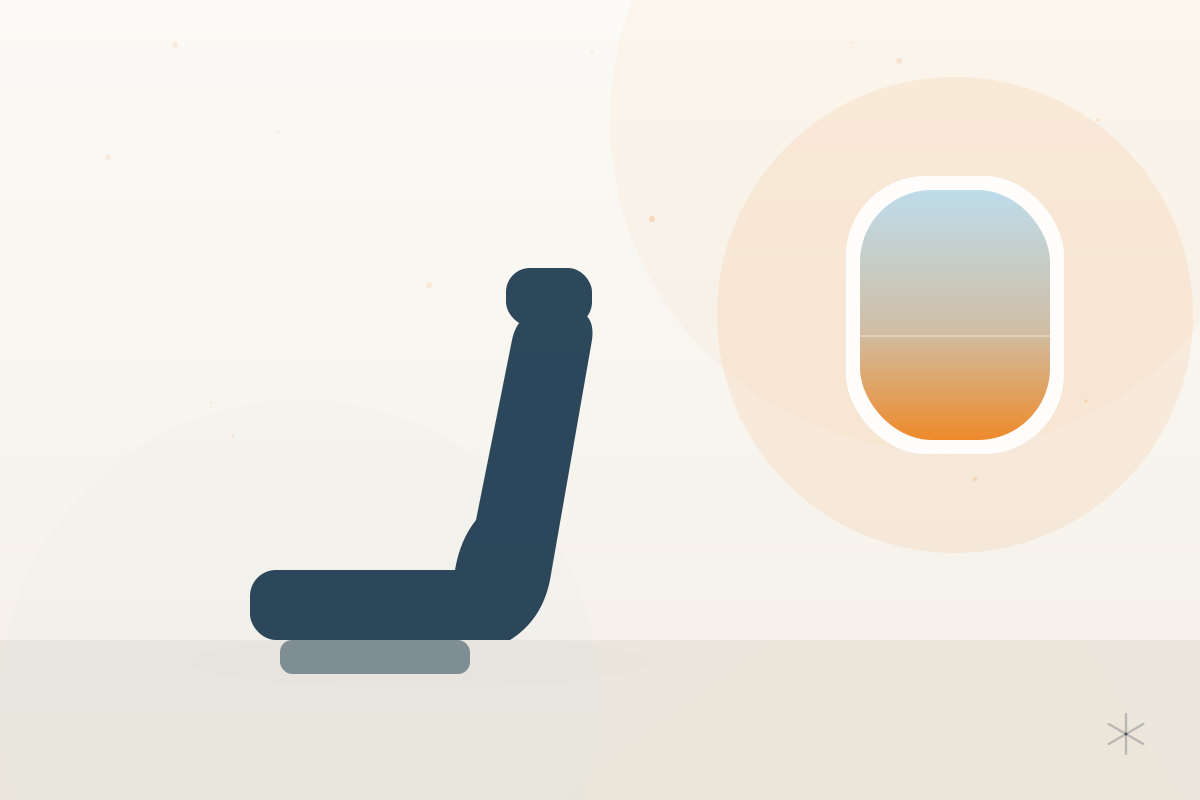
Warm horizon light, anticipation

Light returns slowly and warmly, the way a morning does. The windows show where you are going before the announcement says it.

Concept visualisation

Cabin concept visualisation. Final cabin subject to aircraft selection, certification and development.

The starting point

The aircraft should feel like the beginning of the journey — not something to endure before it.

Economy does not need to imitate luxury. It needs room to settle, a calm cabin, thoughtful places for belongings, something to look forward to, and the feeling of being a passenger — not a unit of capacity.

The question being asked is not how many seats fit, but what the hours on board are actually like. Nothing here is a certified layout: no aircraft type, seat count or dimension is fixed, and none is being published.

The philosophy explores

  • a calmer cabin atmosphere
  • a stronger sense of personal space
  • seating designed for longer periods of use
  • thoughtful storage
  • easier movement
  • better lighting
  • a less stressful boarding experience
  • clearer information
  • a meaningful screen and destination experience
  • service designed around the rhythm of the journey
  • opportunities to look outward, discover and anticipate the destination
  • a lower-density layout — fewer seats in the same space, explored rather than fixed
  • long sightlines broken into smaller, calmer spaces where the aircraft allows

Flying as it is today

The things you actually touch

Storage, light, a surface, a screen, a window, someone to ask. These are the small things a cabin either gets right or does not — the things the concept is being tested against.

  • A window seat, late in the day

  • A bag that goes in without a fight

  • Something to read, and light to read it by

  • The map, when you want to know where you are

  • A surface that holds a notebook

  • Crew you can see, and reach

Illustrative imagery. Not a photograph of a Vandrer flight.

The details

Nine close-ups of one idea

Seat, light, storage, window, company, quiet, discovery, information, service. Each is an impression rather than a drawing: what it should feel like, and one fictional moment of what it could mean on the day.

Abstract illustration: one soft seat silhouette in a bright, spacious cabin, warm light falling across it from a window.
Concept visualisation

Theme 1 of 9

More room to settle

What it should feel like

Sitting down should feel like arriving somewhere, not fitting into something. The concept explores space that lets you put your things down, stretch a little and let the day outside the aircraft fall away.

What this could mean on the day Fictional moment

Mira boards with a coat over her arm and a book she has been saving. She sits, the coat finds a place, the book stays within reach, and by the time the door closes she has stopped counting the hours.
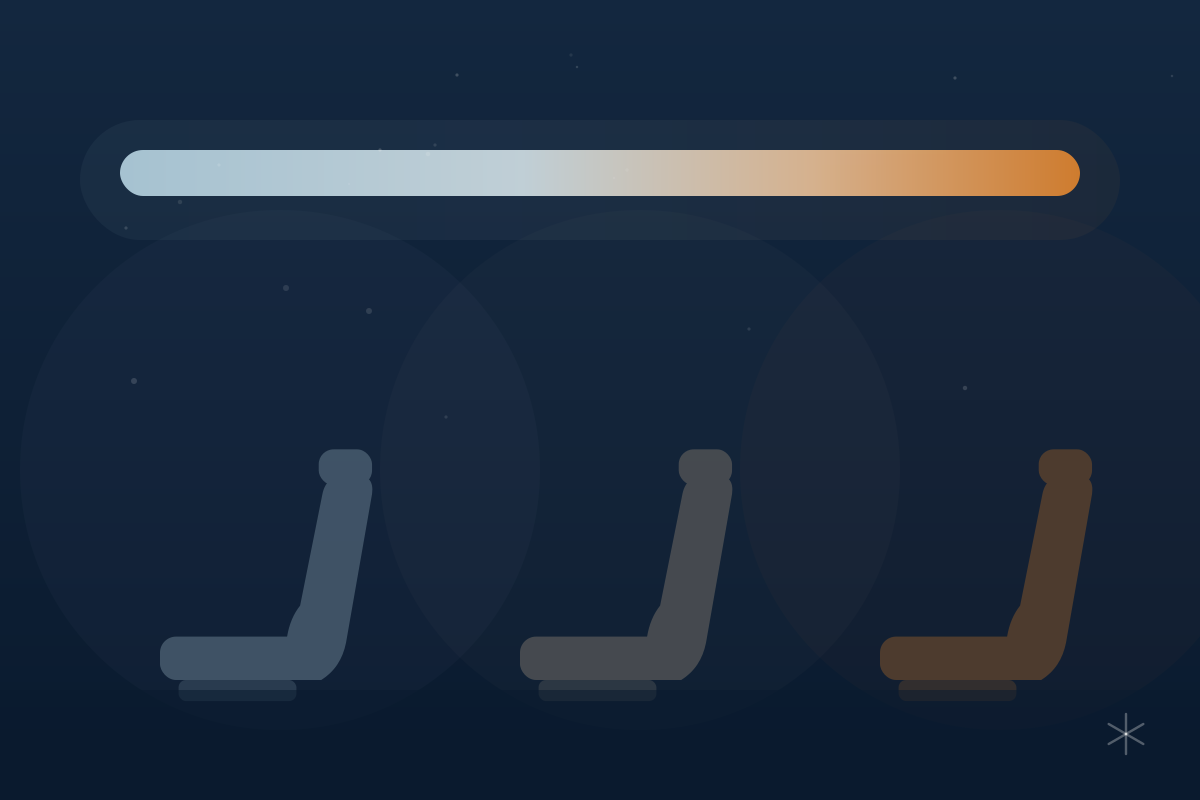
Abstract illustration: a cabin ceiling washed in one calm gradient, cool daylight at one end and warm evening light at the other.
Concept visualisation

Theme 2 of 9

Calm lighting

What it should feel like

Light sets the mood of a room before anything else does. The concept studies lighting that follows the journey: brighter and cooler as people find their places, softer as the cabin settles, warm again as the destination comes closer.

What this could mean on the day Fictional moment

Halfway through the flight the cabin dims without anyone announcing it. Jonas notices only that his shoulders have dropped, and that the person beside him has fallen asleep.

Abstract illustration: soft, rounded storage shapes beside a seat, a small bag resting in one of them.
Concept visualisation

Theme 3 of 9

Personal storage

What it should feel like

Belongings should stay close, in places that were designed for them. The concept explores thoughtful storage for the things people actually carry—a bag, a bottle, a phone, glasses, a child's toy—so nothing has to be balanced on a lap or dug out from under a seat.

What this could mean on the day Fictional moment

Aisha puts her bag in the space made for it, her phone in the small pocket at eye level and her glasses beside it. When the meal comes, there is nothing to move.

Abstract illustration: a cabin window with a warm destination glow outside and a quiet cabin inside.
Concept visualisation

Theme 4 of 9

Window and destination experience

What it should feel like

A window is the first glimpse of where you are going. The concept treats it as part of the experience: a place to look out, to anticipate and to feel the light change as one place becomes another.

What this could mean on the day Fictional moment

Forty minutes before landing in Lisbon, Tomas sees the coast turn from grey to gold at the edge of the window. The screen in front of him says the same thing in words: almost there.

Abstract illustration: three soft seat silhouettes close together under one warm pool of light.
Concept visualisation

Theme 5 of 9

Travelling together

What it should feel like

Many journeys are shared. The concept explores how families, couples and friends can sit close, see each other, share a screen and look after one another without the cabin working against them.

What this could mean on the day Fictional moment

Leila and her two children have three seats side by side. The youngest falls asleep against her, the eldest shares the screen with her, and nobody has had to ask anyone to swap.

Abstract illustration: a dim cabin at night with one small, warm reading light and a small window onto the stars.
Concept visualisation

Theme 6 of 9

Quiet moments

What it should feel like

Not every hour on board needs something to happen. The concept makes room for rest: dimmed light, fewer interruptions and a cabin that lets people read, think or sleep.

What this could mean on the day Fictional moment

On the overnight flight, Yuki turns the reading light to its lowest setting. The cabin around her is dark and still. The next announcement is the one that says good morning.

Abstract illustration: a seat screen glowing with the colours of a distant place, beside a window onto blue sky.
Concept visualisation

Theme 7 of 9

Onboard discovery

What it should feel like

The hours in the air can be the start of the destination rather than a pause before it. The concept explores a screen and a cabin that open with where you are going: its light, its sounds, a few of its words, the things worth knowing first.

What this could mean on the day Fictional moment

Ingrid's screen opens with Kyoto, not with a menu: a quiet minute of the streets near the station, the greeting she will hear first, the way the light falls at this time of year. She lands already a little bit there.

Abstract illustration: a calm screen carrying a few soft lines of light and a small route line leaving a warm point.
Concept visualisation

Theme 8 of 9

Passenger information

What it should feel like

Information on board should be calm, clear and the same everywhere. The concept explores how the screen, the crew and your phone can say one thing in plain words—where you are, what comes next, what to do—without noise.

What this could mean on the day Fictional moment

The connection in Copenhagen is short. Before Jonas can worry, the screen shows the gate, the walk and the time it takes. The crew know the same. Nobody has to explain themselves twice.

Abstract illustration: a soft path of light along a cabin aisle, with seats resting in shadow on either side.
Concept visualisation

Theme 9 of 9

Service without unnecessary interruption

What it should feel like

Good service knows when to appear and when to stay away. The concept explores service designed around the rhythm of the journey: present while people settle in and eat, quiet while they rest, easy to reach at any moment.

What this could mean on the day Fictional moment

Mira has just fallen asleep when the crew pass. They do not wake her. Later, when she looks up, someone is there within a minute, with the drink she asked for before boarding.

Cabin concept under development. Aircraft type, layout, seating and onboard services are not confirmed.

One passenger experience

The screen in your hand and the space around you, designed together

The information around the journey and the space you sit in are being designed together, as one passenger experience.

What that means for you

  1. preferences following the journey
  2. assistance needs available to the relevant people
  3. seat and cabin information remaining consistent
  4. onboard content connected to the destination
  5. journey changes reflected in communications
  6. cabin crew having the confirmed passenger-facing information they need
  7. arrival information continuing the same experience

See what connects the journey

Where to next

See the cabin as part of a whole journey

The cabin is one stage of a journey that starts at home and ends after landing. Try a fictional journey, see how the information around it is connected, or help decide where Vandrer flies first.